
When Is Cabinet Painting a Good Option for Homeowners?
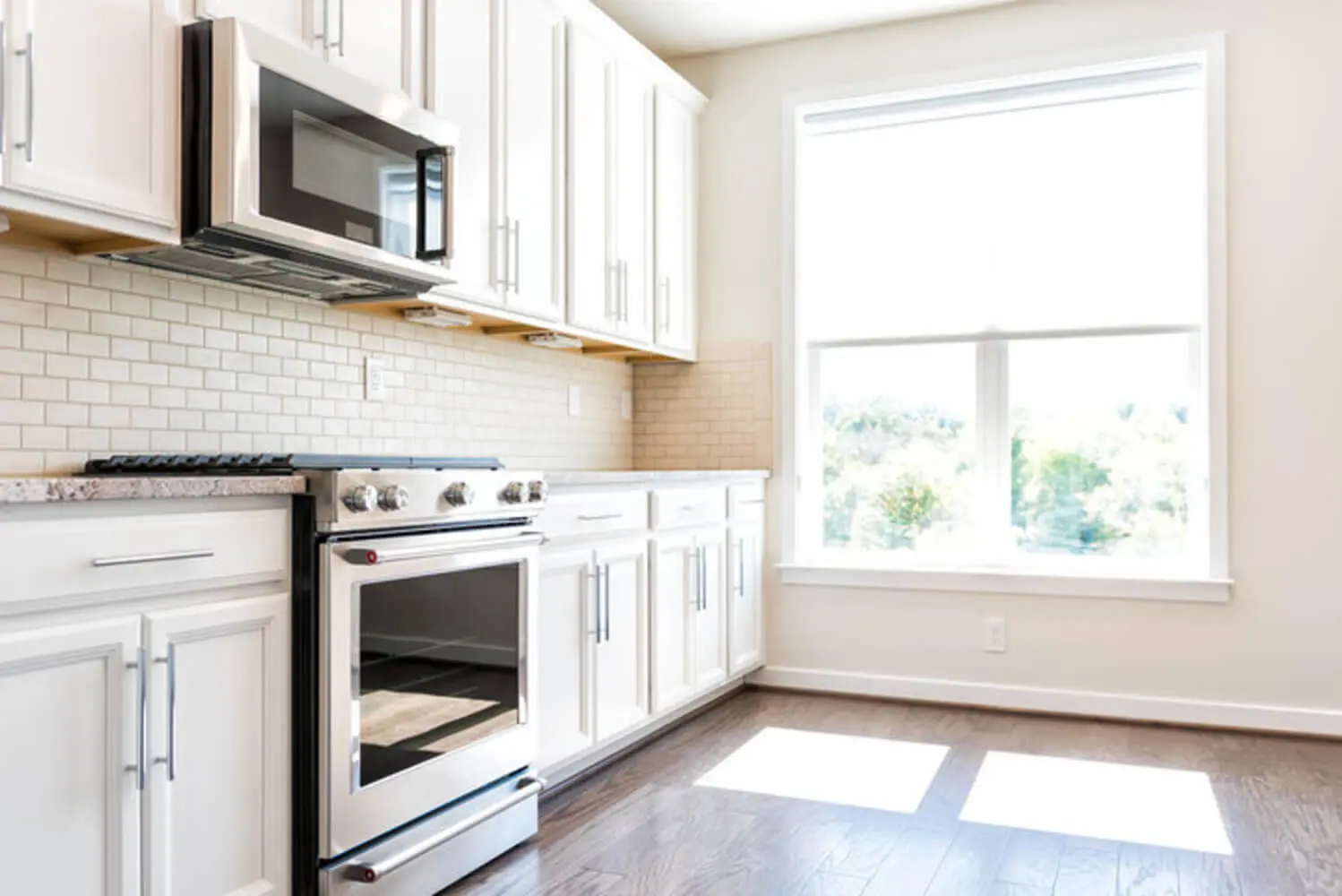
If your kitchen still has the honey oak or golden maple cabinets that came with the house, you’re not alone. Across Canton and the surrounding area, a huge share of homes built between the 1980s and 2000s still have their original builder-grade cabinetry, and for many owners, the boxes are perfectly solid but the finish just feels stuck in another decade. The question of when cabinet painting is a good option for homeowners is a fair one, and it’s more specific than most people expect.
Here’s the part that catches homeowners off guard: painting the wrong cabinets is one of the most common and expensive mistakes in this category. A paint job can look flawless for the first few months and then start chipping, bubbling, or peeling because the cabinets underneath were never actually right for painting in the first place. The good news is that whether your cabinets qualify comes down to a specific, checkable set of conditions, not a guess and not a one-size-fits-all rule.
What Cabinet Painting Actually Involves
Cabinet painting means removing every door and drawer front, degreasing and sanding every surface, applying a bonding primer, then adding multiple coats of a durable, cabinet-grade paint or enamel, with full cure time between coats. It’s a far more demanding process than painting a wall.
This matters directly for the “good option” question, because this process has almost zero tolerance for the wrong starting material:
- Bare wood absorbs paint unevenly and needs extra prep to seal properly
- Water damage or delamination interacts badly with the sanding and moisture exposure the process requires
- Any existing damage tends to show through, or get worse, once paint is applied on top of it
That’s exactly why hiring a cabinet painting professional who inspects your cabinets before quoting the job matters more than the specific paint brand or color you choose. The assessment has to happen before the process starts, not after.
Signs Your Cabinets Are a Good Candidate for Painting
Most cabinets that qualify for painting share a similar profile. Look for:
- Cabinet boxes and doors that are structurally sound, with no swelling, warping, or separation at the joints
- Solid wood, plywood, or a paintable laminate surface in good condition
- Hinges, drawer slides, and hardware that still function correctly
- A finish that’s simply dated or the wrong color, rather than damaged
- Existing paint or stain that’s stable, not peeling or bubbling, which is actually a good sign since it shows the surface has held a finish before
These conditions matter because paint is a surface-level fix. It changes color and finish, but it can’t correct a structural problem hiding underneath. If you’re in one of the many Canton-area homes still living with original honey oak or golden maple cabinetry, this is frequently exactly your situation. The cabinets were built solidly, and the only real issue is that the finish has aged out of style.
When cabinets meet these conditions, the payoff is significant. A solidly built oak cabinet box, painted correctly, can look and perform like a brand-new cabinet for a fraction of what full replacement costs. It’s also worth pairing the project with a broader plan if the rest of the kitchen needs attention. Fresh interior paint on the surrounding walls alongside a new cabinet color often does more to modernize a kitchen than either update on its own.
Signs Your Cabinets Are Not a Good Candidate for Painting
On the other side, a few conditions should give you pause before booking a paint job:
- Water damage or swelling, especially common under sinks and near dishwashers
- Delaminating or peeling veneer on particleboard cabinets
- Broken or sagging drawer boxes
- Cracked or separating face frames
- Thermofoil surfaces that are already bubbling or peeling
Water damage has a specific tell worth checking for yourself: soft or spongy wood, discoloration around the toe kick or under the sink, or a swollen edge along a particleboard door. Paint can’t restore structural integrity, and applying it over a compromised surface tends to accelerate the failure rather than prevent it.
If you’re only seeing one warped door or a single water spot, that doesn’t necessarily disqualify the whole kitchen. Isolated issues can often be repaired before painting begins. Widespread structural problems across multiple cabinets are the real signal that replacement makes more sense than painting. Skipping that distinction is how homeowners end up with visible bubbling or separation within the first few months instead of years of solid use.
How Cabinet Material Affects Whether Painting Is a Good Option
Material is where a lot of homeowners get surprised. Not every cabinet surface takes paint the same way:
- Solid wood and plywood take paint well and hold it for years when properly prepped
- MDF holds paint well as long as it stays dry and undamaged, but fails quickly once moisture gets in, since the material swells and loses its shape the moment water penetrates the surface
- Thermofoil and laminate surfaces need special bonding primers and often don’t hold paint long-term at all, since standard paint struggles to adhere to that vinyl-like coating and tends to peel away in sheets rather than chip
This is a material science issue, not a workmanship issue. Even the best painter can’t make paint permanently bond to a surface that was never meant to hold it. A lot of homeowners assume “wood cabinets” is the only distinction worth knowing, when the real question is whether the manufacturer built the material to accept paint in the first place. Boxes built with solid wood face frames and MDF center panels, common in cabinetry from this era, are usually fine as long as the MDF panels haven’t already taken on moisture.
How long the finished paint job actually lasts also comes down heavily to preparation quality, the same principle that determines paint longevity on any surface in a home. Cabinets near a sink or dishwasher face more moisture stress than cabinets on the other side of the kitchen, which is exactly why the assessment step matters more in those specific spots. Knowing what your cabinets are actually made of, and where the moisture exposure is highest, prevents paying for a paint job that was never going to hold up regardless of who did the work.
Why Cost Alone Shouldn’t Decide Between Painting and Replacement
Cabinet painting typically costs a fraction of full replacement, and that’s a real reason it’s an attractive option. But that gap only represents genuine savings when the cabinets actually qualify under the conditions above. If they don’t, the “savings” disappear the moment the paint job needs to be redone, or the cabinets end up needing replacement anyway.
Most cost comparisons homeowners find online assume best-case cabinet condition, which skews the math in favor of painting looking like the obvious win. It’s tempting to compare quotes on price alone, but price without a condition assessment isn’t really comparing the same outcome. A cheaper quote that skips the inspection step isn’t actually a better deal if it means repainting or replacing the cabinets again in two years. The real savings from cabinet painting only show up when condition, not price, is what decides the direction you go.
Why Skipping a Proper Cabinet Assessment Backfires
Choosing a painter based purely on price or convenience, without a real assessment of the cabinets first, is the most common reason cabinet painting projects fail early. A rushed quote process often skips checking for moisture damage, delamination, or hardware condition, which means the problems only show up after the project is finished and paid for.
In practice, that looks like:
- Chipping around the sink cabinet within the first year
- Peeling near the dishwasher where moisture exposure is highest
- Hinges that no longer sit flush because the wood underneath had already started to warp before painting
- Doors that were never sanded and primed correctly starting to show the old finish through in high-traffic spots within months
A proper assessment before the quote stage is what separates a painting project that holds up from one that needs to be redone, or replaced, within a year or two.
The Real Test Isn’t Cost — It’s Condition
Cabinet painting is a good option when the boxes and doors are structurally sound, the material is paint-compatible, and the only real issue is a dated finish. It’s not a good option when there’s water damage, warping, or failing material underneath the surface.
For the many Canton-area homes still working with original honey oak or golden maple cabinetry from the 80s through 2000s, this is frequently a straightforward yes. The only way to know for certain is a hands-on look at your actual cabinets, since photos and general rules of thumb can only tell you so much.
If you’re ready to find out whether your cabinets qualify, schedule a free consultation and we’ll assess your cabinets in person, walk you through exactly what we find, and give you a clear answer before you commit to anything.