
What Causes Exterior Paint to Fail Prematurely in Ann Arbor, MI?
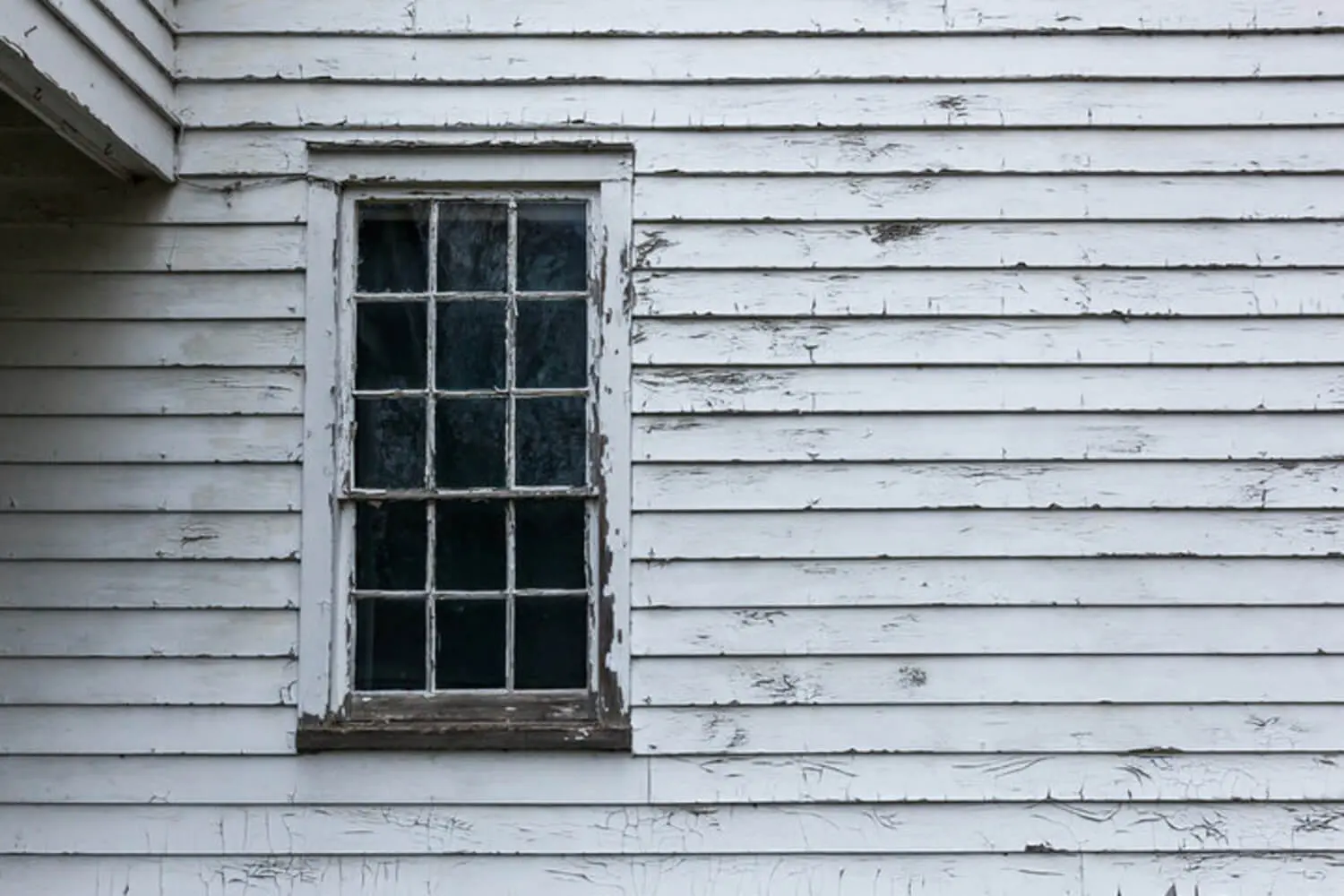
Noticing paint peel, crack, or blister sooner than expected is frustrating. Maybe you paid a contractor for a professional job. Maybe you spent a weekend doing it yourself. Either way, watching that work fail early feels like a waste.
Premature paint failure isn’t random. It traces back to a specific, identifiable set of causes. In Ann Arbor, the region’s climate and older housing stock frequently make those causes worse. Understanding what actually went wrong is what separates a homeowner who gets a paint job that lasts from one who ends up repainting again in two or three years.
Why Poor Surface Preparation Is the Leading Cause of Premature Paint Failure
Inadequate cleaning, sanding, and priming causes most early paint failures. This is the single most common reason paint doesn’t last.
Paint adhesion works as a mechanical bond, not a cosmetic layer. Paint needs a clean, properly abraded surface to grip. Primer seals the wood, blocks tannins, and creates a surface topcoats can actually hold onto.
A previous contractor who skipped scraping, sanding, or priming to save time set the project up to fail. The paint may have looked fine on day one. Within a year or two, it starts lifting anyway.
Paint applied over an unprepared surface will peel or crack. This happens regardless of how expensive or high-quality the paint itself was.
Why Ann Arbor’s Climate Puts Extra Stress on Exterior Paint
Ann Arbor’s freeze-thaw cycling, summer humidity, and wide seasonal temperature swings put more physical stress on exterior paint than most regions experience. That stress works through two main mechanisms:
- Moisture works into small cracks or gaps in the paint film, then freezes as temperatures drop. That freeze physically expands the crack, separating paint from the surface beneath. Each cycle repeats and worsens the damage.
- Summer humidity drives moisture into the substrate from below. Paint that hasn’t fully cured, or was applied over a moisture-compromised surface, blisters and peels as trapped moisture pushes outward.
A paint job that would hold up fine in a milder climate can fail years earlier here. This happens when prep and product selection don’t match what the local environment demands.
Why Older Ann Arbor Homes Are Especially Vulnerable to Paint Failure
Homes built before 1978 face extra exposure to the climate stresses above. Their wood siding and trim are more porous than modern materials and absorb moisture more readily.
Older wood substrates lack the moisture barriers and engineered stability of newer siding. Any gap in the paint film becomes an easier entry point for water.
A home with original wood trim or clapboard siding needs more thorough prep than a newer home requires. A contractor who treats every house the same way sets that paint job up to fail sooner.
This is why identical paint and process can perform completely differently on two homes just a few miles apart. The age and material underneath the paint make the difference.
How Paint Quality and Product Selection Affect Longevity
Low-quality or mismatched paint products can’t withstand UV exposure and moisture stress the way climate-formulated coatings can.
Cheaper paints often skip the additives that provide UV resistance and moisture resistance. They fade, chalk, and lose adhesion faster, especially under the freeze-thaw and humidity stress covered above.
Many homeowners assume any coat of paint performs the same as any other. In reality, the formulation determines whether a product survives Michigan’s climate or breaks down within a couple of years. UV-blocking and moisture-resistant additives make that difference.
Product selection matters most on surfaces facing direct sun, or on the sides of a home exposed most to prevailing wind and precipitation. That’s exactly where the climate stress described earlier concentrates.
How Application Conditions Cause Paint to Fail Early
Paint applied outside the right temperature and humidity range cures incorrectly and fails well before its expected lifespan. Rushing between coats causes the same problem.
Paint needs specific conditions to cure properly. Too much heat dries the surface before the layer beneath has properly bonded. Too little dry time between coats prevents the film from building the thickness it needs.
A contractor working to a tight schedule might paint in direct summer sun. They might push a second coat before the first has cured. Both mistakes set up exactly the kind of early failure homeowners later notice as peeling or bubbling.
Michigan’s window for proper curing conditions is narrow. Timing the project correctly matters just as much as the product or prep work behind it.
Signs of Premature Exterior Paint Failure and What They Point To
Different failure symptoms point to different underlying causes:
- Peeling typically points to poor adhesion, usually traced back to inadequate surface prep or moisture trapped beneath the paint film.
- Cracking often points to a rigid, lower-quality coating that can’t flex with the wood’s natural expansion and contraction through temperature swings.
- Blistering usually points to moisture pushing outward from beneath the paint film, often tied to the humidity and freeze-thaw stress covered earlier.
- Chalking, where paint rubs off as a powder when touched, points to UV degradation and lower product quality.
- Fading that won’t clean away points to sun exposure outpacing the paint’s UV resistance, especially on south- and west-facing walls.
Connecting a visible sign back to its likely cause helps you have a more informed conversation with a contractor. Instead of just requesting “a new coat of paint,” you can point to what actually needs fixing.
Catching these signs early keeps the eventual repair scope smaller. Waiting until failure spreads and exposes the underlying wood costs more to fix.
What to Do Once You’ve Identified the Cause
Premature paint failure almost always traces back to one or more of the causes above. Identifying which one is at play is the first step toward a paint job that actually lasts.
For homeowners in Ann Arbor, especially those with older homes or wood siding, a proper assessment needs to account for the specific climate and material factors covered throughout this guide. A generic approach built for a milder region won’t hold up here.
If you’re seeing peeling, cracking, or any of the other signs above, a real exterior painting assessment can identify exactly what went wrong the first time. The same preparation and product standards that determine how long any exterior job lasts, whether the surface is a house or a commercial building, apply here too. And once the cause is fixed and the new coat goes on correctly, you can expect real numbers for how long it should last, not just a guess.
Schedule a free consultation and we’ll walk your property, identify what caused the failure, and give you a clear plan for a paint job that actually holds up against everything Ann Arbor’s climate throws at it.