
How to choose interior paint colors for ann arbor homes
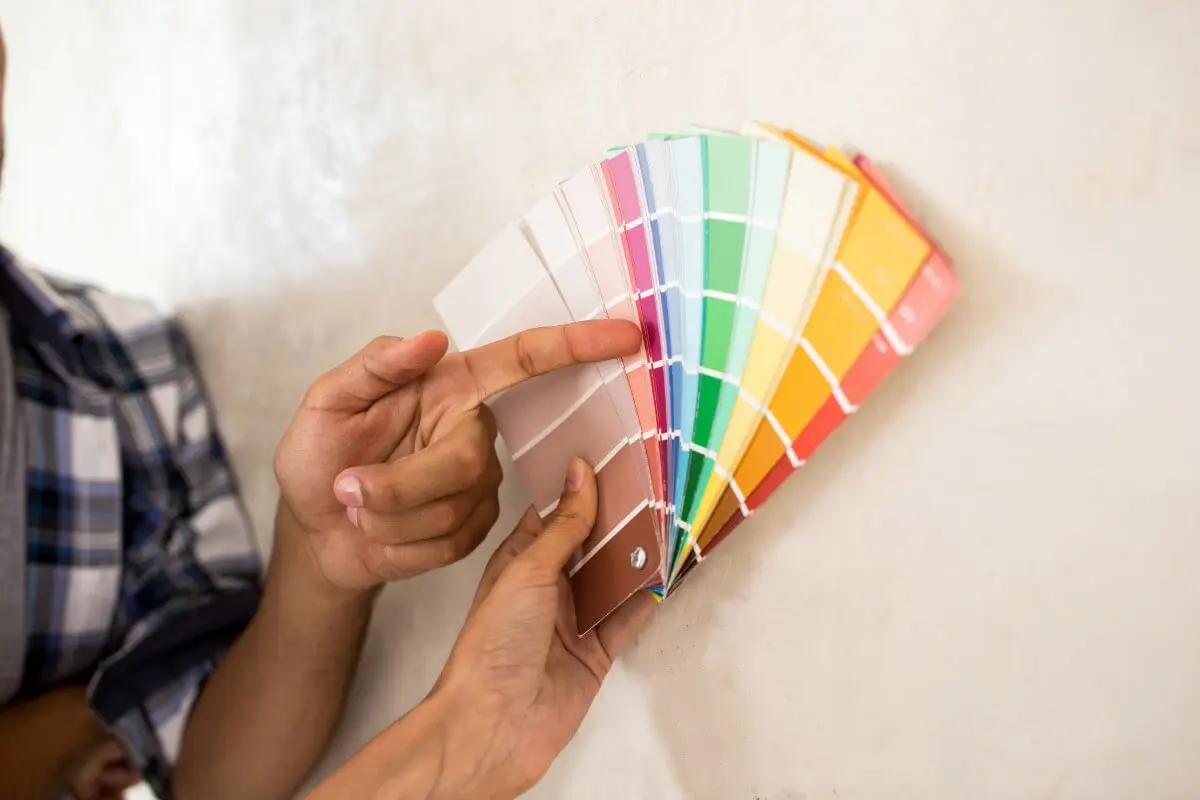
Choosing a paint color should feel exciting.
Instead, for many homeowners, it feels overwhelming.
You stand in front of hundreds of swatches that all look slightly different, and somehow none of them look the way you imagined once you get home. The real challenge isn’t picking a color you like — it’s choosing one that actually works in your home.
If you’ve been researching how to choose interior paint colors for Ann Arbor homes, you already know our area brings unique variables into the decision. From long gray winters to bright summer light, mature tree coverage, brick exteriors, and historic neighborhoods, color behaves differently here than it does in a showroom.
A shade that feels warm and inviting in one house can look flat or cool in another just a few streets away.
This guide walks you through how lighting, architecture, and local climate influence interior color decisions — so you can move forward with clarity and confidence. And when you’re ready to take the next step, working with experienced interior painting professionals can help you turn that confidence into lasting results.
WHY THE SAME COLOR LOOKS DIFFERENT IN EVERY ANN ARBOR HOME
One of the biggest frustrations homeowners face is this: you choose a color you love at a friend’s house… and it looks completely different in yours.
That’s not your imagination.
In Ann Arbor, natural light shifts dramatically between seasons. Winter light is softer and cooler. Summer light is brighter and warmer. A color that feels crisp in July can look muted in January.
Room orientation also plays a major role:
• North-facing rooms receive cooler, indirect light
• South-facing rooms get warm, direct sunlight
• East-facing rooms glow in the morning
• West-facing rooms warm up in the afternoon
Undertones react differently depending on exposure. A gray with blue undertones can feel icy in a north-facing room but balanced in a south-facing one.
Then there’s reflection.
Snow outside reflects brightness into rooms during winter. Mature trees cast green tones into nearby spaces. Brick exteriors can bounce subtle warmth back through windows.
That’s why showroom samples rarely match in-home results.
START WITH THE WAY YOU USE THE ROOM
Color isn’t just visual — it affects how a space feels.
Before narrowing down shades, think about how the room functions in your daily life.
Ask yourself:
• Is this space meant to feel calm or energetic?
• Is it a retreat or a gathering place?
• Do I want cozy, airy, dramatic, or neutral?
Bedrooms often benefit from softer tones. Kitchens and dining spaces may handle warmer shades well. Home offices usually need balance.
In open-concept homes, flow matters. Colors should transition naturally from one room to the next.
Pay attention to fixed elements you aren’t changing:
• Flooring
• Countertops
• Cabinets
• Tile
• Brick fireplaces
These materials already carry undertones. Your wall color should complement them.
Planning ahead with thoughtful interior painting services ensures your color choices align with how you actually live in the space.
UNDERSTANDING UNDERTONES BEFORE YOU COMMIT
Every paint color has an undertone — even white.
Warm undertones lean toward:
• Yellow
• Red
• Cream
Cool undertones lean toward:
• Blue
• Green
• Violet
In Ann Arbor lighting — especially during gray winter months — undertones become more noticeable.
A gray that looks neutral in the store may turn blue in your living room. A white that seems crisp could look creamy once installed.
Instead of relying on small paint chips:
• Paint large sample boards
• Move them around the room
• Observe morning, afternoon, and evening
• Compare against trim and flooring
Ask not just “Do I like this?” but “How does this behave here?”
COORDINATING WITH YOUR HOME’S EXTERIOR AND ARCHITECTURE
Interior color choices don’t exist in isolation.
Ann Arbor neighborhoods include historic homes, mid-century builds, and new construction — each with architectural character.
A historic home may support deeper, richer tones. A newer build may feel balanced with cleaner neutrals.
Look at exterior elements:
• Brick
• Siding
• Roof color
These materials subtly influence interior lighting.
Contrast can work beautifully when intentional. It feels disconnected when accidental.
The goal isn’t uniformity. It’s harmony.
THE ROLE OF FINISH AND SHEEN IN FINAL APPEARANCE
Color and sheen work together.
Common interior finishes include:
• Flat
• Eggshell
• Satin
• Semi-gloss
Higher sheen reflects more light. More reflection can slightly brighten the color.
In high-traffic areas, durability matters. Kitchens, hallways, and family rooms often benefit from satin or eggshell finishes.
Flat finishes soften imperfections but may mark more easily.
Choosing the right finish is part of creating durable, cohesive residential painting results that last.
WHY SEEING THE COLOR IN YOUR OWN SPACE CHANGES EVERYTHING
Clarity comes from testing.
Paint large samples in multiple spots:
• Near windows
• Across from windows
• On interior walls
• Next to trim
Observe at different times of day.
Stand in connecting rooms. Look at the color beside furniture and décor.
This step often reveals which option truly works.
Many homeowners find that professional guidance simplifies this stage dramatically. An experienced eye can identify undertone conflicts before you commit.
Testing in your own space turns uncertainty into confidence.
BRINGING IT ALL TOGETHER BEFORE YOU MAKE THE FINAL CHOICE
By now, you’re evaluating more than color preference.
You’re considering:
• Lighting
• Room function
• Undertones
• Flow
• Fixed materials
• Finish
Narrow your options to two or three strong contenders.
Live with them briefly.
Confidence comes from observing performance — not just liking a swatch.
CHOOSING INTERIOR PAINT COLORS WITH CONFIDENCE IN ANN ARBOR
Choosing paint is about context, not impulse.
Ann Arbor homes bring unique lighting patterns, seasonal shifts, and architectural details that influence color behavior. When you evaluate light exposure, undertones, function, and finish together, decisions feel clearer.
If you’ve been wondering how to choose interior paint colors for Ann Arbor homes, remember this: the right choice isn’t just attractive — it works beautifully in your specific environment.
Take time to test thoughtfully.
And if you want clarity before committing, scheduling a color consultation with professional painters in Ann Arbor can help refine your options and prevent costly repainting.
The right color doesn’t just look good.
It feels right in your home — in every season.